Showing posts with label ASPAM. Show all posts

1/15/2013

Specialty Shop of Aomori Hiba (hinoki cypress)

There’s a specialty shop which saws Aomori Hiba (hinoki cypress) and sells its products in Kazamaura Village in Shimokita Region. The name of the shop is "Waido-no-ki" meaning "our tree".

They produce various kinds of hiba products such as tableware, eating utensils, figurines, ornaments and furniture.

A warm wood stove welcomes you.

Lovely X'mas ornaments


It’s a year of the snake this year. White snakes
are said to be messengers from Benten
(Goddess of treasures) and to bring you money.

(Left) soap dish  (Right) pail for bath

Table with a stuck tray

A set of forks

Floor lamp

Cutting board

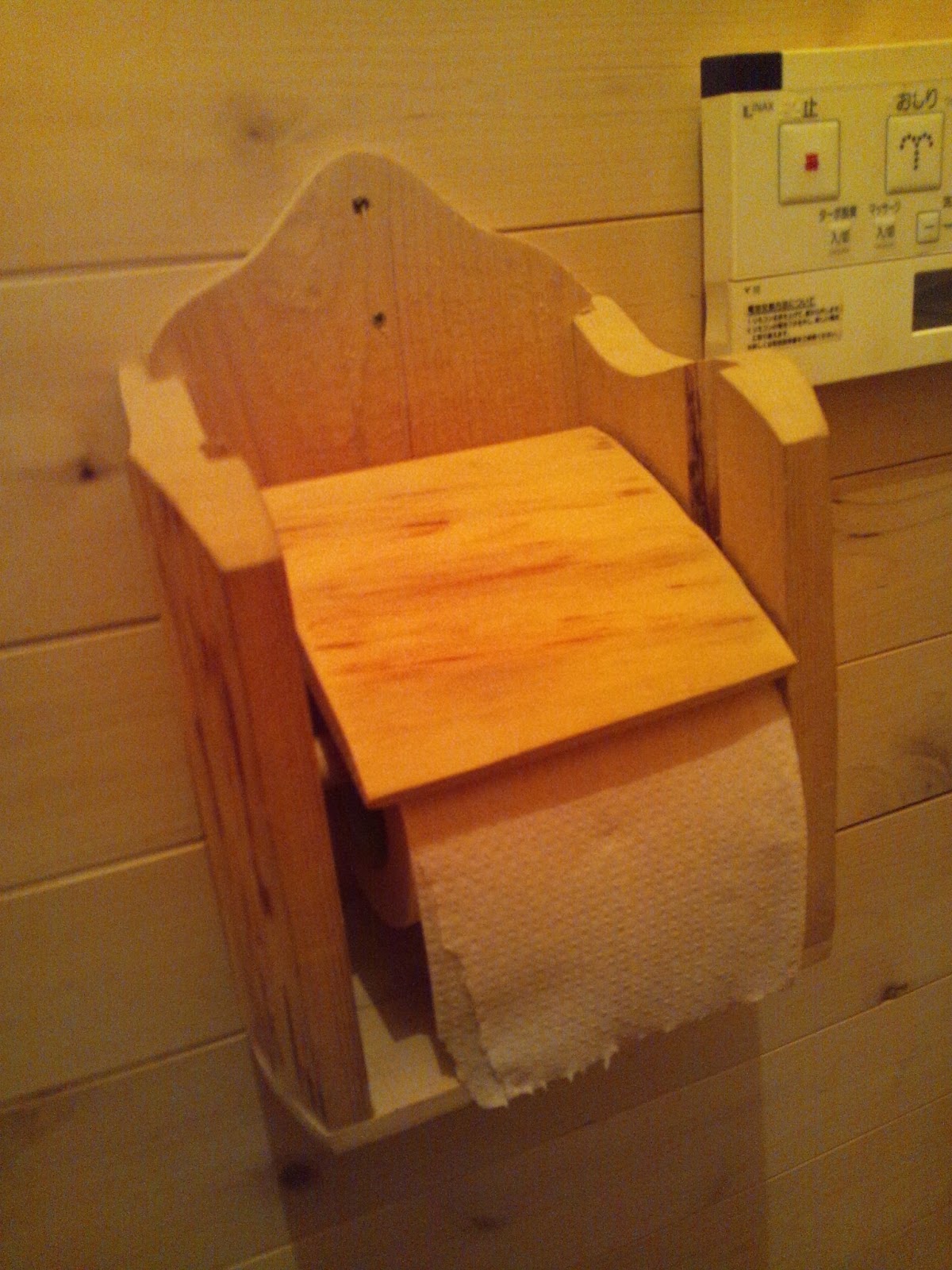
Toilet roll holder
(in the restroom of the shop)

Pyrograph on hiba board


Phone (used to be
available to make a call)

Waido-no-ki (also runs guesthouse)
6-7 Okawame, Ikokuma
kazamaura-mura
Shimokita-gun 039-4502
Aomori Prefecture
TEL 0175-35-2147
URL (Japanese only) http://ydonoki.jp/
Directions: Turn left at the village office of Kazamaura along the Hamanasu Line.

Aomori sightseeing guide "aptinet" http://en.aptinet.jp/


View waidonoki in a larger map.

10/26/2012

Beautiful Sunset

A day of fine weather in autumn shows us such a beautiful sunset, and this is it.
Mt. Iwaki on the left and Aomori Bay Bridge on the right.
This photo was taken at the observatory in ASPAM, Aomori Prefecture Tourist center.


Aomori Sightseeing Guide "aptinet"  http://en.aptinet.jp/


View ASPAM in a larger map.

8/10/2012

Aomori Nebuta Festival

Aomori Nebuta Festival is one of three largest festivals in Tohoku region. More than 20 illuminated floats parade at night on the main streets in Aomori City.
The festival is held annually, from July 2nd to 7th (it’s held during daytime on the last day), and there’re always about 3 million (population of Aomori City is about 300 thousands) spectators from inside and outside of Aomori, even from overseas.
Nebuta Festival is designated as a National Important Intangible Folk Cultural Property.

This festival is so famous that many people might have seen it through various kinds of media, but I think, living in Aomori, I’m lucky to see not only the festival itself but also the process of making a float.


1. Concept and rough sketch
The idea of nebuta is usually based on historical stories, myths and legends, sometimes kabuki stories are also adopted. A producer takes quite a long time to draft as the sketch is like a design drawing.


2. Putting up a hut
A hut is required for making nebuta and for storage. Frontage: approx. 12m, depth: approx. 12m, height: approx. 6~7m


3. Preparation of the details
Details like face, hands, feet, sword and spear are made beforehand. Size of the parts is calculated by proportional expression. Making those details continues until just before a hut is built.


I traced the eyes, nose and face on the photo.
 
4. Framework
Making the structure starts with making pillars of square timbers, and then outlines are formed with wires and threads. Bamboo used to be used until 1950s.


5. Electric wiring (lighting)
Candles were used inside nebuta for lighting before, but nowadays, about 1000 electric lights are used with power source from a generator. These days, LED is becoming popular for lighting.


6. Pasting papers
Japanese papers are pasted on the frames. Bond for woodworking is used, and it’s difficult not to put bond beyond the border of the frames. After completing this procedure, it becomes more like nebuta.

My co-worker Kyu-san tried pasting papers.


Professional!


7. Kakiwari (inking the outlines of the structure)
Faces, collar, belt and patterns of kimono (clothes) are to be framed with black ink. Inking is very important to bring about energy and force of nebuta.


8. Wax drawing
Wax drawing is another important procedure to deepen expressions of nebuta with melted paraffin wax. It brightens up nebuta and also prevents running of the color paints.


9. Coloring
To color remaining white area, dye-ink and water pigment are used with brushes and spray bottles.


10. Putting up to a stand
About 40 - 50 people are required to put up nebuta to the stand with wheels. Height of the whole float is approximately 5m.


Background and ASPAM

Generator underneath

11. This is it.
It still needs more decorations for the stand, but this is nebuta.


The Festival this year is finished, but you still get information for next year.
Aomori Nebuta Festival Official Homepage: http://www.atca.info/nebuta_en/

Aomori Sightseeing Guide "aptinet": http://en.aptinet.jp/

7/26/2012

Grazing Horses

In Shiriyazaki (Cape Shiriya), located at the eastern-tip of Shimokita Peninsula, Aomori Prefecture, there’re about 30 grazing horses called “Kandachime”. “Kan” means cold weather, “dachi” means standing and “me” means horse.

Red sign indicates Shiriyazaki.


Horses and Shiriya Lighthouse

Those horses used to hold an important position in farming that people preferred their physical strength and patience against cold weather and poor food, and also their sustaining power and obedient character were preferable.

They stay in Shiriyazaki from May to October, and in winter time, from November to April, they spend winter months in the wintering field called “Ataka”, 2.5 km south from Shiriyazaki.

Platinum blond?

This colt was born in May.

Very gentle

Twins
Kandachime and Shiriyazaki are designated as Natural Treasure of Aomori Prefecture.

Transportation: get on Shimokita Kotsu Bus (Shiriya Line) at Mutsu Bus 
                      Terminal, and get off at Shiriyazaki (1 hour), and approx.
                      20-minute walk to the lighthouse.


Aomori Sightseeing Guide "aptinet":  http://en.aptinet.jp/

6/07/2012

“Namaco” - Sea Cucumber

Aomori is famous for apples, but also “namaco” (sea cucumber) is quite famous that the catch is more than 1,200t every year.

Namaco is echinoderm same as sea urchin and starfish, and it’s consumed raw or people enjoy namaco soup or namako porridge using dried namaco.

There’s “Aomori Namaco Branding Council” to promote consumption of sea cucumbers, and they sell various products out into the market. Here are some of them.

Pancake

Looks like a namaco a bit.

With sesame paste filling.

Stickers: kids might feel familiar to namaco?
Fan
Post-it: very useful in the office
Cell-phone strap: real dried sea cucumber!
Cell-phone strap: (lucky charm) contains dried
sea cucumber powder

Black for oily skin, blue for dry skin and green for sensitive skin.
You can get these goods at ASPAM, Aomori Prefecture Tourist Center.
ASPAM: 1-1-40 Yasukata, Aomori-shi, Aomori Prefecture

Aomori Sightseeing Guide "apti net" : http://en.aptinet.jp/